Emergency rubbish clearance Kingston after party and flood recovery
Posted on 26/06/2026
Emergency Rubbish Clearance Kingston After Party and Flood Recovery
If you've just hosted a big party, or you're staring at a room full of flood-damaged belongings, the mess can feel oddly personal. Sticky floors, broken glass, soggy cardboard, bins overflowing by the minute... it all adds up fast. Emergency rubbish clearance Kingston after party and flood recovery is the practical, no-nonsense way to get a property safe, usable, and breathable again without spending the whole weekend fighting the aftermath.
This guide explains what emergency clearance actually involves, how it works in Kingston, when to book it, and what to watch out for. You'll also get a step-by-step recovery plan, a realistic checklist, and some straight advice on avoiding the usual headaches. Because let's face it, when the place is wet, cluttered, and starting to smell a bit off, you don't need theory. You need a plan.
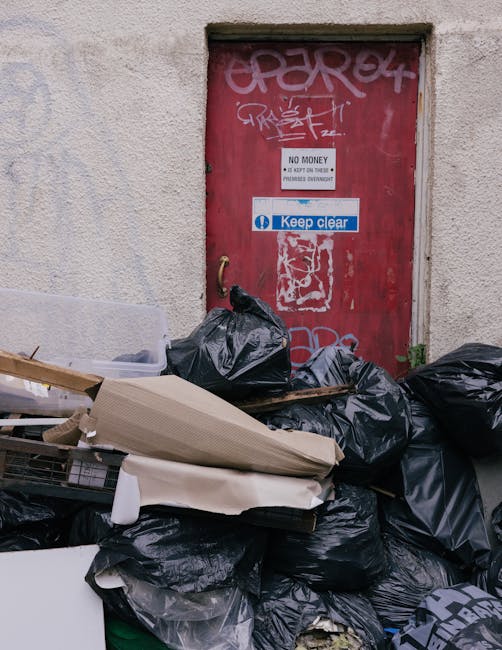
Why Emergency rubbish clearance Kingston after party and flood recovery Matters
Emergency clearance matters because post-party and flood situations become problems quickly. After a party, waste spreads out into every corner: bottles, food packaging, damaged decor, disposable plates, smashed glass, and the odd mystery item nobody admits owning. After a flood, the challenge is different but more serious. You may be dealing with wet furniture, ruined carpets, contaminated materials, warped timber, and heavy items that are awkward to move safely.
In both cases, delays make things worse. A packed hallway becomes a trip hazard. Damp waste begins to smell. Saturated materials grow heavier, harder to handle, and less safe to store indoors. If you leave flood debris in place too long, you can also end up with a bigger clean-up bill later because the mess has spread into other rooms. A prompt response helps restore order before things spiral.
There's also a simple human reason. A cleared space changes the mood of a property. You can almost feel it. The room stops shouting at you. Noise drops, air moves, and the place starts to feel manageable again. That matters whether you're a landlord, homeowner, events organiser, or business owner in Kingston trying to reopen after a rough night or a soaked morning.
For local context, Kingston properties can come with practical access challenges too. Tight streets, shared entrances, riverside access, basement flats, and awkward staircases can all make rubbish removal more complex. If that sounds familiar, pages like access issues for rubbish collection in Kingston's narrow streets and courts can help you think through the logistics before a collection crew arrives.
How Emergency rubbish clearance Kingston after party and flood recovery Works
Most emergency clearance jobs follow a simple pattern: assess, separate, remove, sweep through, and dispose responsibly. The details change depending on whether you're dealing with party waste or flood recovery, but the structure stays pretty similar.
1. Initial assessment
The first step is to look at what needs removing. A party cleanup may involve lightweight mixed waste, broken items, and a small amount of bulky rubbish. Flood recovery can involve much heavier loads, especially if furniture or absorbent materials have been soaked through. A good crew will usually ask about access, volume, item types, and whether anything needs special handling. That includes contamination concerns, sharp debris, or furniture that is too damaged to salvage.
2. Sorting the waste
Sorting matters because not everything should be thrown into the same load. Recyclables, reusable items, and general waste should ideally be separated where possible. Flood-damaged materials may need more careful handling if they have been exposed to dirty water. It sounds obvious, but in the middle of chaos, obvious things get overlooked. They really do.
3. Safe lifting and loading
Emergency clearance is about moving items quickly, but not carelessly. Wet sofas, broken shelving, and glass-heavy waste can be awkward and risky. Professional removal teams typically use gloves, sacks, trolleys, and loading methods that reduce spillage and minimise injury. If there's a lot of liquid residue, they'll usually take extra care not to track it through the property.
4. Transport and disposal
Once loaded, the waste should be taken to an appropriate facility or transfer point. Responsible disposal matters for obvious reasons, but it also protects you if questions come up later about where the rubbish went. If you're comparing providers, a transparent approach to disposal is a good sign. You can also look at the company's broader approach to trust and handling standards through their insurance and safety information and their wider services overview.
5. Final sweep and handover
A proper emergency cleanup does not stop once the waste is gone. You want the space checked for remaining hazards: loose shards, slippery spots, soaked paper, nails, hidden debris behind furniture, and anything left under furniture or in corners. That final sweep is small, but it makes all the difference.
Key Benefits and Practical Advantages
The obvious benefit is speed. When you need a room usable again quickly, emergency clearance gives you a direct route from chaos to control. But there's more to it than just saving time.
- Safety improves immediately. Fewer trip hazards, fewer sharp objects, and less wet clutter on floors.
- Odours are reduced. Party waste and flood debris can both create unpleasant smells surprisingly fast.
- Damage is contained. The quicker you remove ruined items, the less chance they have to affect clean areas.
- Stress drops. A busy property feels lighter once the visual clutter is gone. Simple, but true.
- Recovery becomes easier. You can actually assess what still needs cleaning, drying, or repair once the waste is out.
For businesses, especially event spaces, speed matters even more. A venue can't afford to have damaged stock or leftover debris sitting around after a busy night. If your mess relates to an event setting, the article on event rubbish removal at Kingston venues is a useful related read for avoiding the usual mistakes.
For domestic flood recovery, one quiet but important advantage is preventing deeper contamination. Even if the water didn't look terrible at first glance, wet waste can carry grime and create lingering issues in soft furnishings and cardboard storage items. Removal clears the path for proper drying and sanitising. That's the order that usually works best.
Who This Is For and When It Makes Sense
This kind of emergency clearance is useful for several groups, and the trigger is not always dramatic.
Homeowners and tenants after a party
If the bin stores are full, recycling is overflowing, and you've got bulky leftovers that won't fit into standard household waste, emergency clearance can save you several trips and a lot of grief. It's especially useful after larger gatherings where people have stayed late, things got moved around, and nobody quite remembers who brought the six broken chairs. A classic scene, honestly.
Landlords and letting agents
Turnovers are often tight on time. If a tenant leaves behind party waste, damaged furniture, or mixed rubbish after a flood, the aim is to get the property presentable for inspection and repair as soon as possible. Fast clearance can make the handover much smoother.
Event organisers and venue managers
After a private function, fundraiser, corporate event, or late-night celebration, the clearance window can be narrow. You may need waste removed before staff arrive the next morning or before access routes reopen. That's where same-day or urgent collection becomes genuinely valuable. If your event is near busy routes, you might also want to read Kingston Bridge rubbish removal and riverside access tips because access really can slow things down more than people expect.
Property owners dealing with flood damage
Flood recovery is about more than drying the floor. If furniture, underlay, cardboard, or stored items are ruined, they need to go. The same applies to broken fixtures and saturated household waste. If left in place, they can delay repairs and make the whole building feel unmanageable.
When it makes sense to act now
- You can't safely walk through the property.
- Waste is blocking doors, stairs, or exits.
- Flood-damaged items are starting to smell or leak.
- You need the property ready for contractors or insurers.
- There is glass, sharp debris, or contaminated material involved.
Step-by-Step Guidance
Here's a practical way to handle emergency rubbish clearance without overcomplicating it.
- Make the area safe. Before moving anything, check for broken glass, slippery floors, and electrical risks after flooding. If water reached sockets or appliances, treat the area with caution.
- Separate the obvious waste streams. Put recyclables, general rubbish, and flood-damaged items into different piles where possible. Don't waste time chasing perfection. Just get a sensible split started.
- Remove anything that could worsen damage. Wet cardboard, soft furnishings, and saturated textiles should come out quickly because they trap moisture and smell.
- Photograph major flood damage first. If you may need to reference damage later for insurance, take pictures before clearing. Not everything needs documenting, but the big stuff does.
- Choose the right collection method. A small party clear-up may only need a straightforward waste collection. A larger flood recovery job may need bulky-item removal or a more substantial clearance approach.
- Check access. Is there a narrow alley, a basement stair, or a shared courtyard? Will a van need to stop away from the front door? If yes, mention it up front. That saves a lot of back-and-forth.
- Confirm what will be taken. Be specific about furniture, electronics, soaked carpets, bags of mixed waste, and broken items.
- Ask for a clear price structure. If the quote seems vague, pause. Emergency jobs can be messy, but pricing should still make sense. For more on this, see hidden fees in Kingston rubbish collection.
- Keep a clear path to the collection point. Move small, safe items out of the way so the crew can work efficiently.
- Finish with drying and cleaning. Waste removal is the start, not the finish, after flooding. Airing the space and cleaning hard surfaces should follow promptly.
Expert Tips for Better Results
A few small decisions can make an urgent clearance go much more smoothly. In our experience, it's usually the tiny things that save the most time.
Be brutally specific when you book
"A lot of waste" is not that helpful. Say "three broken sofas, six sacks of party rubbish, two wet rugs, and a corridor with glass fragments" instead. The clearer you are, the less chance of delay or misunderstanding.
Separate salvageable items before the crew arrives
Put aside anything you want to keep, photograph, or dry properly. Once the clearance starts, things move quickly. If you're unsure whether something is ruined, move it to a "maybe" area rather than leaving it in the main waste pile.
Don't store wet items in sealed bags for too long
It sounds tidy, but sealed bags of damp material can smell worse than the original mess. If the weather and space allow, use breathable staging or get items removed promptly.
Plan for access quirks in Kingston
Some streets and courtyards are perfectly fine for normal day-to-day living but awkward for larger collection vehicles. If the route includes stairs, limited parking, or a long carry distance, make that clear from the start. A little honesty saves a lot of faffing about.
Keep one room as a clean zone
If possible, choose a dry room where residents or staff can keep essentials: documents, chargers, clean towels, or fresh clothes. It helps the rest of the property feel less chaotic while the clearance is underway.
Expert summary: The best emergency clearance jobs are the ones where the problem is described accurately, access is checked early, and the removal plan matches the type of waste. Fast is good. Clear is better.

Common Mistakes to Avoid
People usually don't make mistakes because they're careless. They make them because they're tired, rushed, or just trying to get the mess out of sight. Fair enough. Still, a few habits cause problems again and again.
- Leaving flood waste to "air out" indoors. That usually makes odours and damp worse, not better.
- Mixing everything into one pile without checking for hazards. Glass, nails, and contaminated materials need different handling.
- Ignoring access details. A van can't magically fit down a blocked courtyard or carry waste through a locked passage.
- Forgetting about salvageable items. Once mixed into the clearance pile, some things are gone for good.
- Booking only on price. The cheapest option is not always the one that turns up ready for a messy, urgent job.
- Not asking what happens to the waste. Responsible disposal should be part of the service, not an afterthought.
One surprisingly common slip after parties is forgetting that the clean-up itself can create more rubbish. Cracked decorations, torn table covers, used cloths, and damaged storage boxes all need a home. In flood recovery, the same thing happens with underlay, skirting trim, and ruined packaging. The pile grows quietly. Then suddenly it's huge.
Tools, Resources and Recommendations
You do not need specialist gear for every emergency clear-up, but a few basics help a lot.
Simple tools worth having ready
- Heavy-duty rubbish sacks
- Thick gloves
- Strong tape for sealing sharp-waste bags
- Dustpan and brush for broken debris
- Bucket and mop for minor standing water
- Torches or work lights for dark hallways and under-stairs spaces
- Phone camera for damage records
Useful service categories to consider
Not every situation needs the same response. A party aftermath might be handled with a focused waste collection. A flood-damaged property may need more extensive house clearance in Kingston upon Thames if furniture and household items have been badly affected. If the mess includes office stock, paper records, or damaged desks, office clearance can be a better fit. For bulky seating, wardrobes, or other damaged pieces, furniture disposal may be the most direct route.
For a broader view of what a provider can handle, the waste collection service page is helpful, especially if you're trying to compare a one-off emergency pickup with a more general collection arrangement.
Practical recommendations
- Choose a provider that can handle bulky and mixed waste, not just light bags.
- Check whether they explain collection process, timing, and access expectations clearly.
- Look for clear payment handling and a straightforward quote process through their pricing and quotes information.
- Ask about recycling and sustainability if you want more responsible disposal options.
One small but helpful read is the site's recycling and sustainability approach, which gives a sense of how material may be handled beyond simple removal. That matters more than people think.
Law, Compliance, Standards, or Best Practice
For emergency rubbish clearance, the big compliance themes are safety, responsible waste handling, and honest service description. You do not need to turn into a compliance expert overnight, but a few basics are worth knowing.
In the UK, waste should be handled by parties that can collect and dispose of it responsibly, and you should always be cautious if someone offers to take waste away without any clear explanation of where it will go. After flooding, there may also be extra care needed for contaminated materials, damp textiles, or items that might carry mould or dirty water residue. The exact requirements depend on the material and the situation, so a careful approach is best.
For party waste, standard best practice is to separate recyclables where possible, avoid leaving sharp debris loose, and prevent overflow into public areas or shared corridors. For flood recovery, best practice is to prioritise safety first, document damage before disposal if needed, and remove saturated waste quickly so the building can dry properly.
If you're choosing a provider, look for reassurance around accountability rather than flashy promises. Their about us information, terms and conditions, privacy policy, and payment and security pages can tell you a lot about how seriously they treat trust and customer care. You may never need to read them all, but if you're comparing urgent services at short notice, it's worth it.
A final note on accessibility and site access: if a property has limited access, stairs, or a narrow entrance, it is best practice to mention that early and honestly. That is good for safety, good for timing, and good for everyone involved.
Options, Methods, or Comparison Table
If you're deciding how to handle emergency rubbish clearance, the right option depends on the size of the mess, the urgency, and what kind of waste you're dealing with. Here's a simple comparison.
| Method | Best for | Strengths | Limits |
|---|---|---|---|
| Self-clear with council bins or small trips | Very small party clear-ups | Low cost, immediate control | Slow, physically tiring, poor for bulky or wet items |
| Mixed waste bag-and-load removal | General after-party rubbish | Quick, flexible, good for same-day needs | May not suit heavy or contaminated flood waste |
| Bulky item disposal | Sofas, mattresses, damaged furniture | Efficient for awkward large items | Not ideal if the waste is spread throughout the property |
| Full house clearance | Flood recovery or major post-event damage | Thorough, organised, suited to larger jobs | More involved than a simple pickup |
In practical terms, the choice often comes down to this: if the problem is mainly bags and light clutter, a waste collection solution may be enough. If the floor is covered in damaged furniture, saturated materials, and debris, you are probably looking at something broader and more structured.
Case Study or Real-World Example
Picture a ground-floor property in Kingston on a Sunday morning after a private celebration. The night before was lively. The morning after is less charming. There are empty drink bottles, torn catering boxes, broken glass by the skirting board, and a couple of chairs that have clearly seen better days. Then, just to make things more interesting, a minor flood issue has left one corner of the room damp, and a rug has soaked up dirty water.
What happens first? Not the glamorous part. The practical part. The damaged rug gets separated. The glass is carefully collected. Food waste and packaging are bagged. Wet items are removed so they stop spreading damp. One clean area is left open for safe movement. The crew is told about the narrow access path at the back, so they plan for a short carry rather than trying to park too close and block the whole lane.
By the end of the collection, the room still needs drying and proper cleaning, of course. But the space is no longer a hazard. The property can breathe again. Contractors can inspect the flood impact properly. And the owner doesn't spend the next two days tripping over stacked rubbish. That's the difference between "we'll deal with it later" and a proper emergency clearance approach.
One local detail that often comes up in Kingston is timing around busy streets and event-heavy areas. A property near a venue may need quicker turnaround than a quiet residential road. For readers dealing with that sort of setting, the post on popular event venues in Kingston is a useful reminder that local flow, access, and collection timing can matter a lot.
Practical Checklist
Use this checklist before you book or begin emergency rubbish clearance.
- Identify whether the waste is mainly after-party rubbish, flood damage, or both.
- Check for sharp objects, standing water, or electrical risks.
- Remove anything you want to keep before the clearance starts.
- Take photos of flood damage if records may be needed later.
- Separate recyclables, general waste, and bulky damaged items where possible.
- Measure or note access issues such as stairs, narrow gates, or courtyard entry.
- Confirm whether the job needs same-day or next-day collection.
- Ask what the provider can take and whether there are any exceptions.
- Request clear pricing and any likely extras in advance.
- Make sure the path to the waste is safe and clear.
- After removal, dry and clean the space properly.
- Check that no shards, nails, or slippery residue remain behind.
If you're dealing with a flood aftermath, one last thing: don't rush the rebuild before the damp is under control. It's tempting. You want the mess gone and normal life back. Understandable. But a steady, methodical clean-up usually saves time in the long run.
Conclusion
Emergency rubbish clearance Kingston after party and flood recovery is really about getting control back quickly and safely. Whether you're clearing a flat after a big celebration or dealing with wet, damaged waste after flooding, the principles are the same: act early, sort the problem properly, and remove waste in a way that leaves the property ready for the next step.
The best results usually come from clear communication, realistic expectations, and a service that understands both urgency and access. Kingston properties can be straightforward, but they can also be a bit fiddly - basement steps, tight lanes, shared entrances, all that. It's manageable. Just needs the right approach.
Get a free quote today and see how much you can save.
And if the space still feels overwhelming right now, that's normal. One good clearance can turn a stressful mess into something you can work with again, and that's a very good place to start.

 Tipper Van - Junk Disposal and Waste Collection Prices in Kingston upon Thames KT1
 Luton Van - Junk Disposal and Waste Collection Prices in Kingston upon Thames KT1


