Access issues for rubbish collection Kingston narrow streets courts
Posted on 18/06/2026
Access issues for rubbish collection Kingston narrow streets courts: a practical guide for tight-access properties
If you live, manage, or clear a property in Kingston, you will know the problem straight away: bins that can't be rolled out cleanly, courtyards that pinch in halfway down, and narrow streets where a collection vehicle can only get so far before everything becomes awkward. Access issues for rubbish collection Kingston narrow streets courts are not just a nuisance. They can change timings, affect what can be collected, and sometimes make the difference between a smooth clearance and a stressful delay.
This guide breaks down how access problems happen, what a sensible collection plan looks like, and how to reduce the faff before collection day arrives. Whether you are dealing with a basement flat off a narrow passage, a shared court behind terraced homes, or a busy riverside route where stopping is tricky, the right approach is usually less about luck and more about preparation.
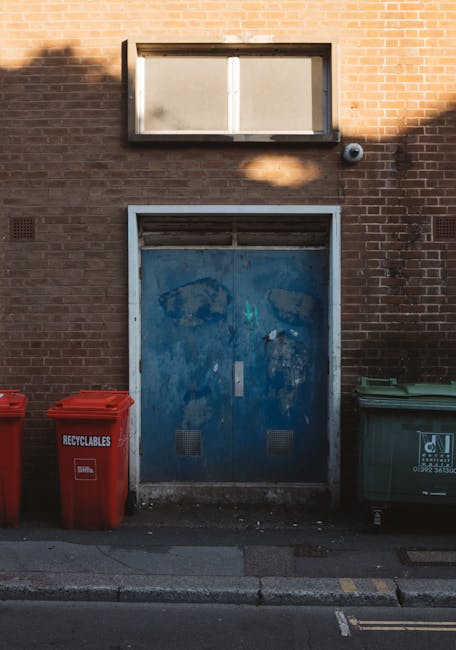
Why access matters in Kingston's narrow streets and courts
Access sounds like a simple logistical detail, but in practice it shapes the entire collection job. A rubbish crew can only work efficiently if they can reach the waste safely, load it without blocking everyone else, and move through the space without damaging walls, fences, parked vehicles, or the property itself. In older Kingston streets, that can be easier said than done.
Courts, mews-style layouts, shared rear entrances, and tight side passages often create a chain reaction. If the vehicle can't park close enough, the load has to be carried further. If the path is uneven, wet, or cluttered, the move takes longer and becomes riskier. And if there's no clear turning space, the whole visit may need to be re-planned. That is why access is not a side issue; it is the core issue.
There is also a neighbourly side to this. Narrow streets in Kingston are often busy with residents, deliveries, cyclists, and the occasional car that seems parked with heroic confidence. One badly timed blockage can affect several homes. So, for collection teams and property owners alike, thinking ahead is just plain sensible.
If you are dealing with a more complex property setup, it can help to think beyond waste alone and look at the wider building or move-out process. A useful related read is how property sales in Kingston can be affected by practical clearance planning, especially when a tidy handover matters.
How tight-access rubbish collection usually works
In a straightforward street, the collection team parks nearby, assesses the load, removes the waste, and leaves without fuss. Tight-access work is different. The team typically starts with a quick access assessment, either from photos, a short description, or an on-site look around. They want to know how far the waste must be moved, what obstacles exist, whether the route is level, and whether large items need to be broken down first.
That assessment often determines the method. Some jobs can still be done from a parked vehicle with a short carry. Others need a hand-loading approach from a court or rear entrance. In some cases, a smaller vehicle is the better fit than a larger one. Truth be told, that decision can save more time than any amount of guesswork later.
Access plans usually consider the following:
- street width and turning room
- parking restrictions and waiting limits
- steps, slopes, and uneven ground
- shared gates, locked courts, and timed entry points
- overhanging branches, low walls, and narrow doorways
- the size and weight of the items to be removed
The best results come when the collection method matches the property, not the other way around. If that sounds obvious, it is - but you would be surprised how often it gets missed until the van is already outside.
For situations involving event clear-ups or time-sensitive removals, timing and loading discipline matter even more. You may find it useful to read about common delays in same-day rubbish removal, because access bottlenecks often overlap with urgency.
Key benefits of planning access properly
Good access planning doesn't just prevent problems. It improves the whole experience. Here is where it pays off.
- Less disruption: shorter visits, fewer blocked routes, and less noise hanging around outside your home.
- Better safety: fewer awkward lifts, fewer trips over uneven surfaces, and lower risk of bumping into walls or railings.
- More accurate quotes: when access is clear from the start, pricing tends to reflect the real job rather than an optimistic guess.
- Faster collections: the team can bring the right tools, vehicle size, and staffing level.
- Less stress for residents: you are not left wondering whether the driver can get round the corner or reverse down a lane without a minor crisis.
There is also a cost angle. Tight access can add handling time, and handling time is not nothing. It influences labour, route planning, and sometimes the number of trips needed. That is why it helps to be open about the site conditions rather than hoping the crew will "just manage". They might, but you probably don't want to build a plan around hoping.
For property owners, landlords, and managing agents, this is particularly useful when clearing larger volumes from a flat, a shared building, or a mixed-use site. A service such as house clearance in Kingston becomes much easier to coordinate when access is properly described in advance.
Who this is for and when it makes sense
This topic matters to more people than you might first think. It is not only for "awkward" properties. It affects anyone whose rubbish collection depends on limited vehicle access or shared movement space.
You may need a tighter access plan if you are:
- living in a flat above or behind another property
- managing a shared court, mews, or back lane
- clearing builders' waste after a refurb in a narrow road
- running an office in a central Kingston building with restricted loading space
- dealing with bulky furniture that won't fit through a tight stairwell cleanly
- organising a garden clearance where the route passes through side gates or communal paths
It also makes sense when you want to avoid last-minute changes. Maybe the skip bay is unavailable, maybe a larger truck would block the street, maybe a resident permit zone is involved. In those moments, knowing the access constraints early saves the whole day from becoming a bit of a muddle.
If your site includes mixed waste from a renovation, a dedicated service can be the better fit. See builders' waste disposal in Kingston for work that involves rubble, broken fittings, and other awkward materials.
Step-by-step guidance for a smoother collection
Here is a practical way to get access-ready without overcomplicating it.
- Map the route from waste to vehicle. Walk it slowly. Look for steps, locked gates, tight bends, low obstacles, and slippery surfaces.
- Measure the awkward points. You do not need architectural precision, just enough to know whether a sofa, mattress, or cabinet will pass through comfortably.
- Take clear photos. Pictures of the entrance, any court or alley, and the waste itself are far more useful than a vague description like "it's a bit tight".
- Separate what can be broken down. Flat-pack furniture, table legs, and similar items often become much easier to move when dismantled first.
- Clear the route. Move bins, scooters, plant pots, loose cables, and anything else that might trip someone or snag an item on the way out.
- Check parking and timing. If the vehicle needs to stop outside or nearby, think about peak hours, school runs, and delivery times. Kingston can get busy very quickly.
- Share the access details before the visit. Don't wait until the crew arrives and everyone is standing there half-guessing the best route. That never helps.
A small bit of prep at home can make a big difference. Even opening a side gate in advance or putting a name on a shared buzzer can shave off awkward minutes. Not glamorous, but effective.
Expert tips for better results
In tight-access areas, the details matter more than the headline description. A few practical habits make the work far smoother.
- Think in carry distance, not just street width. A narrow street is one problem; a long carry from rear access is another. Both affect the job differently.
- Warn about awkward materials early. Wardrobes, old beds, broken appliances, and wet garden waste all behave differently. Wet leaves and soil, for instance, are heavier than people expect. Annoyingly so.
- Keep a fallback plan. If a vehicle cannot stop directly outside, identify a legal alternative loading point in advance.
- Use better lighting for early or late jobs. A dim court at dusk can hide trip hazards and slow everything down.
- Bundle similar items together. Matching waste types helps with loading order and keeps the route tidier.
One of the better habits we have seen is simply this: treat access like part of the job brief, not a side note. The more complete the brief, the less improvisation is needed on the day. And improvisation is fine for jazz, less fine for a fridge removal down a narrow Kingston passage.
If you want to understand how a collection business handles its wider responsibilities alongside access planning, the page on insurance and safety is a sensible place to look for peace of mind.

Common mistakes to avoid
The same issues tend to show up again and again. Most are avoidable, which is the frustrating part.
- Assuming a van can fit because "small cars do". A rubbish collection vehicle is not a hatchback.
- Leaving gates locked or keys unavailable. Sounds basic, but it happens all the time.
- Forgetting about parked cars. One neighbour's parking choice can change the whole access plan.
- Not mentioning stairs, slopes, or basement levels. These details affect labour and timing.
- Overfilling the waste area. If the route becomes blocked by extra bags or loose items, the load-out gets slower and less safe.
- Booking without checking collection windows. In busy parts of Kingston, timing matters as much as location.
Another mistake is underestimating how a "small" access issue compounds. A narrow gate plus a steep step plus a distant parking point is not three little issues. It is one bigger problem wearing a fake moustache.
For event spaces and public-facing venues, this becomes especially important. If your clearance is around a function, performance, or turnover window, have a look at rubbish removal planning for events because the timing pressures can be ruthless.
Tools, resources and recommendations
You do not need specialist kit to organise an access-friendly collection, but a few simple tools help a lot.
- Phone photos and short videos: the fastest way to show tight turns, gate widths, and entry points.
- Basic tape measure: useful for checking whether a bulky item can pass through a doorway or side passage.
- Marker tape or chalk: handy for indicating what will be collected and what must stay.
- Torches or temporary lighting: useful for dark courtyards, basement exits, or early-morning visits.
- Simple item list: a written list prevents awkward surprises, especially in house clearances.
For broader planning, it helps to read material that explains how services are structured, what is included, and how bookings are usually organised. The services overview is a good starting point if you are weighing up which collection type suits your property.
You may also want to check the practicalities around cost and payment before booking, especially if access is expected to be more complex than average. The pages on pricing and quotes and payment and security are helpful for that wider decision-making stage.
Law, compliance, standards and best practice
When rubbish collection takes place in tight-access Kingston streets and courts, the practical side always sits alongside legal and safety expectations. You do not need to become a transport planner, thankfully, but a few basics matter.
Waste should be handled responsibly, moved without unnecessary danger, and transferred in a way that avoids nuisance to neighbours and passers-by. If collection work involves shared access, common parts, or public highway loading, the usual best practice is to minimise obstruction, keep routes clear, and plan the vehicle position carefully.
From a homeowner or managing agent perspective, the key is honest information. If access is limited, say so. If the only route is through a shared court, say so. If the waste is upstairs or behind a locked gate, say so. That honesty is not just courteous; it helps prevent unsafe lifting and avoids delay.
Where materials are mixed or bulky, using a provider that follows sensible safety practices is important. The recycling and sustainability page is also worth a look if you want to keep reusable and recyclable material out of general disposal where possible.
And a small note on trust: a clear business policy, transparent terms, and proper handling standards matter more than flashy promises. That's why pages like terms and conditions, privacy policy, and about us can be surprisingly useful when you are deciding who to book.
Options and comparison table
Different access situations call for different approaches. There is no single perfect method, but this comparison should help you choose more confidently.
| Method | Best for | Pros | Trade-offs |
|---|---|---|---|
| Kerbside collection from nearby parking | Short carry distances and reasonably open streets | Fast, efficient, usually straightforward | Depends on parking availability and timing |
| Hand-loading from a court or rear access | Courts, mews, and shared rear entrances | Works where large vehicles cannot reach | More labour and more route planning needed |
| Smaller vehicle access | Very narrow streets or limited turning space | Greater manoeuvrability | May need more careful load planning |
| Pre-dismantled bulky item removal | Furniture, beds, wardrobes, office items | Easier through tight doorways and stairwells | Needs preparation before the collection visit |
In real life, the best option is often a mix. A small vehicle plus pre-dismantled items plus a short carry can turn a difficult job into a manageable one. Simple really, but it works.
Case study or real-world example
A typical Kingston scenario goes like this. A resident in a court behind a terraced street has several bags, an old chest of drawers, and a broken armchair to remove. The court entrance is narrow, the path has one awkward corner, and the nearest parking is a short walk away because the street fills up by late morning.
At first glance, it looks like a problem. But with a bit of planning, it becomes routine. The resident sends photos of the court entrance and the item list the day before. The crew knows there is no direct vehicle access, so they bring a smaller team setup and plan for a hand-carry route. The chest of drawers is partially dismantled in advance, the path is cleared of bins and plant pots, and the gate is left unlocked. Simple enough.
The result? Less waiting, fewer awkward pauses, and no one standing in a shared courtyard wondering who left the bin lid halfway across the path. That last part matters more than people admit.
This kind of job often comes up in properties that are being refreshed before being put on the market or re-let. If that sounds familiar, you may also find the article on smart property buys in Kingston helpful as a broader local context read.
Practical checklist
Use this before collection day. It is short, but it catches a lot of the usual problems.
- Have I confirmed the exact access route from waste to vehicle?
- Are any gates, doors, or shared entrances locked?
- Is the nearest parking spot realistic for the time of day?
- Have I photographed the tightest parts of the route?
- Are there stairs, slopes, or uneven surfaces that need extra care?
- Have bulky items been dismantled where possible?
- Is the waste area tidy and clear enough to move through safely?
- Have neighbours or building managers been informed if access is shared?
- Do I know which items are going and which are staying?
- Have I shared the main access details before the crew arrives?
If you can answer yes to most of those, you are in pretty good shape.
Get a free quote today and see how much you can save.
Conclusion
Access issues for rubbish collection Kingston narrow streets courts can feel fiddly at first, but they become much easier once you treat them as a planning task rather than a surprise. Measure the route, share the details early, clear the path, and choose the collection method that fits the property instead of forcing the property to fit the method.
That is the real secret, if there is one. Not drama. Not guesswork. Just a bit of thought before the van turns up and everyone wishes they'd mentioned the gate width five minutes earlier.
Handled well, tight-access rubbish collection is perfectly manageable. And honestly, there is something reassuring about seeing a cramped little court or narrow Kingston street cleared neatly, one sensible step at a time.

 Tipper Van - Junk Disposal and Waste Collection Prices in Kingston upon Thames KT1
 Luton Van - Junk Disposal and Waste Collection Prices in Kingston upon Thames KT1


